 CloseEase Blog
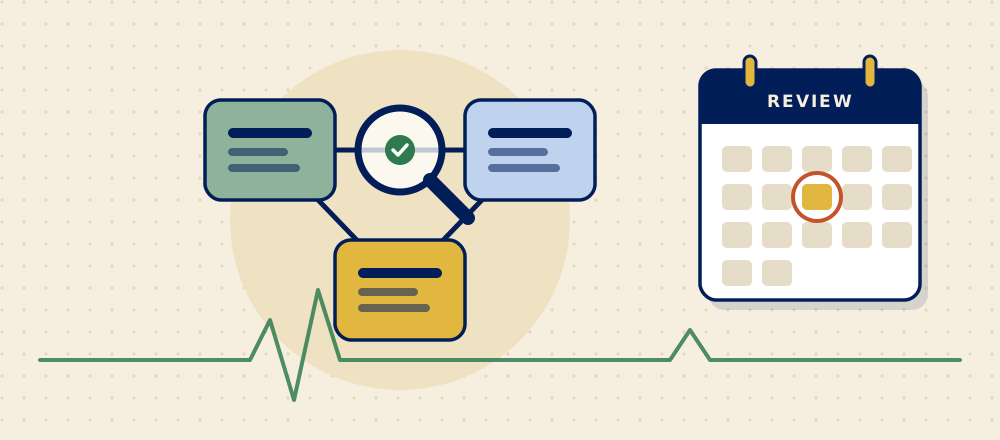
The new tool launched, everyone was relieved, and six months later it is quietly broken. A login expired, a connection stopped syncing, and nobody noticed until a client did.
Short answerSupport after a system goes live should spell out, in writing, which systems and connections are covered, what isn't covered, the regular checks someone runs to catch problems early, a scheduled review of whether the system still fits your work, and a fixed cost you can budget for. "Call us if anything comes up" isn't support. It's waiting for something to break.
Why do systems break again after they go live?
Systems don't sit still. The tools around them update, people change how they work, and small failures pile up without anyone owning them. "Call us if anything comes up" sounds reassuring, but it means nobody is looking until something has already gone wrong.
What should a support agreement cover?
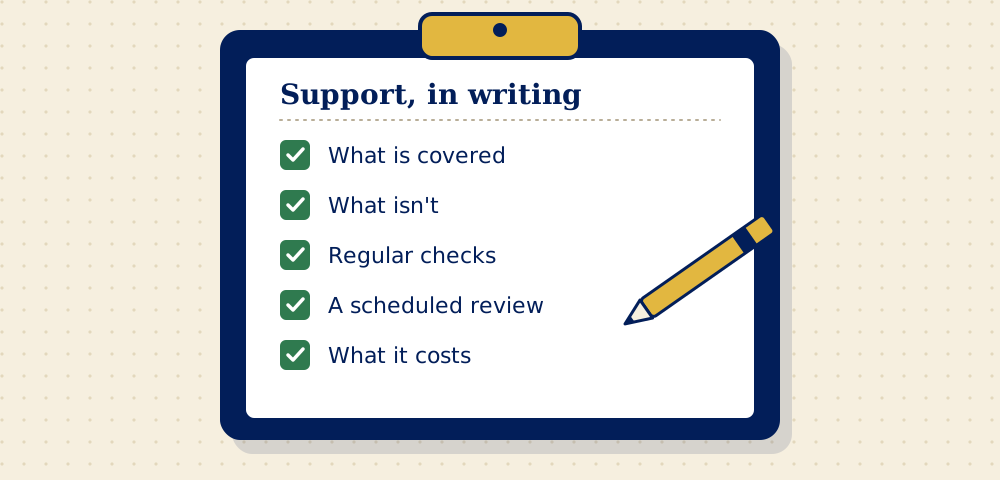
- What is covered. The specific systems, connections and screens, named in writing.
- What isn't. New features and new projects are quoted separately, so there are no surprise invoices.
- Regular checks. Someone confirms the connections still run and the data still matches, before you find out the hard way.
- A scheduled review. A set time to look at what changed in your business and whether the system still fits.
- What it costs. A number you can put in a budget, not an open-ended retainer.
What should you ask a support provider?
Who notices when something stops working? How quickly do they respond, and how is that measured? What happens when our process changes? If the answers are vague, the support will be too.
How does CloseEase handle support?
Support is the third step in how we work, after Find and Fix. We agree the coverage, the checks, the review date and the cost before launch, so you know exactly what you're getting and the fix stays fixed.
Here's how Find, Fix and Support fit together, and what you get at each step.
Questions people ask
What's the difference between support and maintenance?
Maintenance usually means keeping software updated. Support should include that, plus regular checks that connections still run and data still matches, help when something goes wrong, and a review of whether the system still fits how you work.
Should support be a monthly fee or pay as you go?
A fixed monthly fee works when it covers named systems and regular checks, because someone is looking before things break. Pay as you go only pays for fixing what has already gone wrong.
Are new features part of support?
They shouldn't be. New features are new work and should be quoted separately, so the support fee stays predictable and you can decide on each addition.
How often should a system be reviewed after launch?
A review every three to six months suits most small firms, plus whenever your process changes in a big way, such as a new service line or a new tool.